
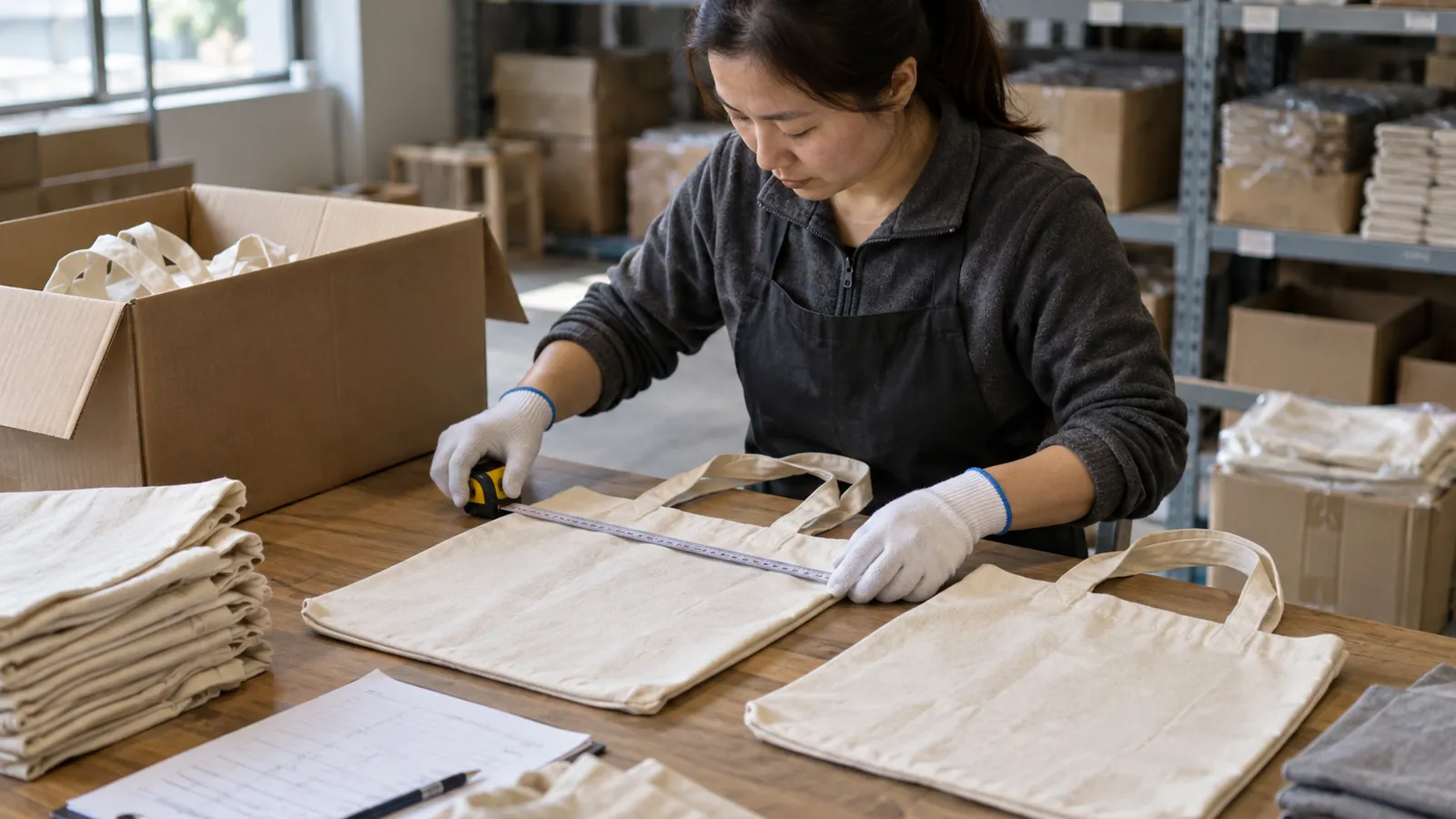
A mixed assortment can contain the correct total number of units and still fail the customer's order. The required mix needs to be visible at picking and checking.
The packing instruction should specify how the assortment is represented, including whether it is a defined bundle or a set of separate order lines.
Translate the order into a packing recipe
Write the approved assortment as quantities by variant, not as a total alone. Specify whether the ratio applies to each retail set, each carton or the whole order. Include the SKU references and a sample contents record so similarly colored or sized variants cannot be substituted casually.
For a hypothetical 12-piece carton with a 3:2:1 ratio across variants A, B and C, one ratio group has six pieces. Each carton therefore needs six A, four B and two C. An order for 40 such cartons requires 240 A, 160 B and 80 C, totaling 480 pieces.
Check available stock by variant before promising complete cartons. If only 70 C units are releasable, at most 35 complete cartons can follow this recipe, regardless of excess A or B stock. Ask the merchant whether to wait, change the approved assortment or release a defined partial order.
Price complete cartons, then show any deviation
Assume assembling one carton takes seven minutes at an invented US$24 per hour and uses $0.60 of material. Forty cartons cost a modeled $136 in assembly and material. Thirty-five cost $119. The $17 difference reflects five unassembled cartons; it is not a saving if those cartons still need to be completed later.
For direct customer parcels, confirm whether each customer receives the assortment or an individually selected variant. Consolidated air or ocean replenishment needs the recipe and variant quantities passed to the receiving site. If the merchant approves a different assortment for one destination, identify it separately rather than changing the ratio for all stock.
Compare route offers using the same finished assortment and packing configuration. Retain the actual variant count against each completed carton, especially when work stops mid-batch. A correct overall piece count cannot compensate for sending the wrong mix to a customer or destination warehouse.