
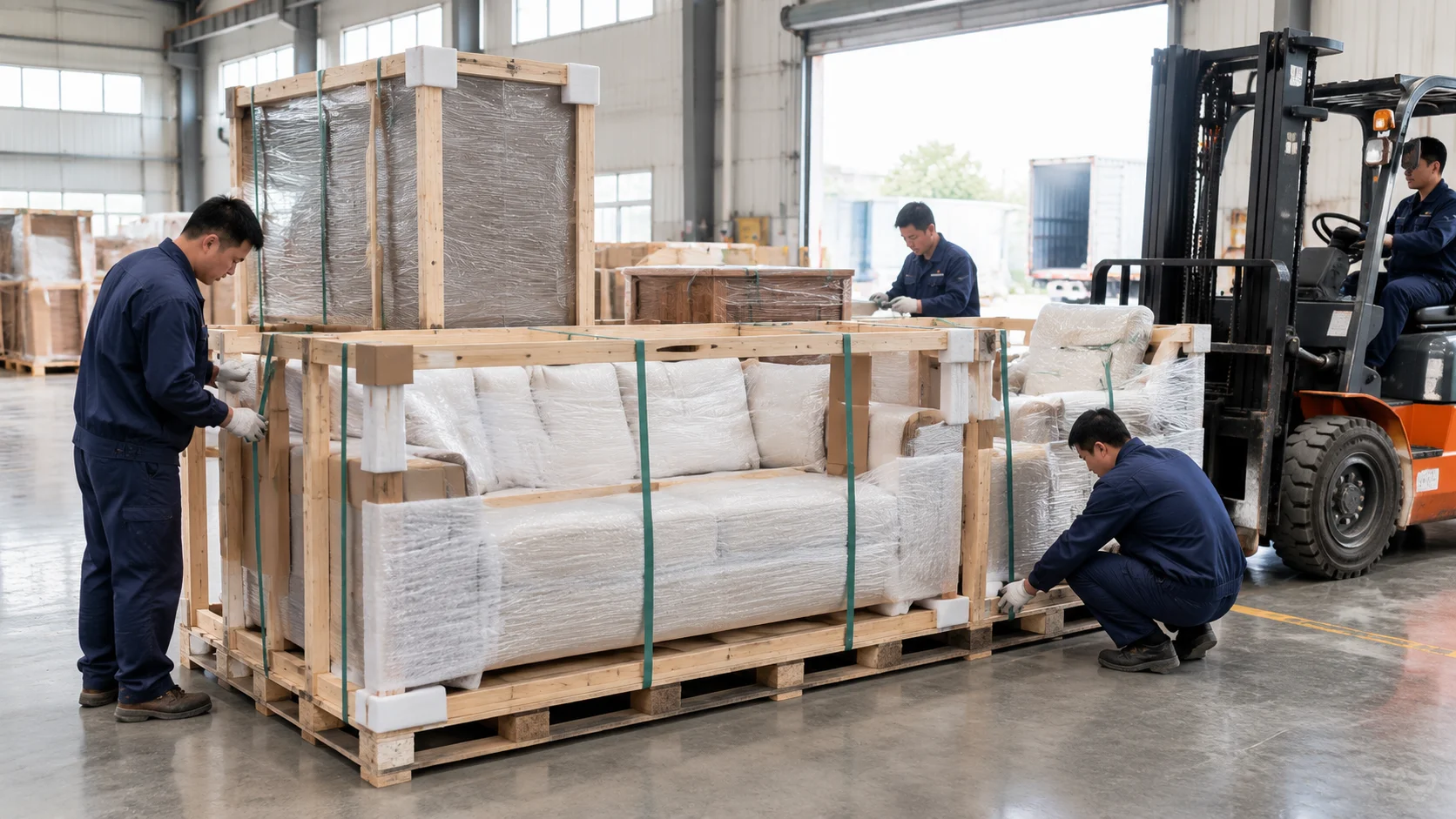
A collection record showing six pieces can be ambiguous when those pieces are pallets containing many cartons. The counting unit needs to be explicit at the handover.
A driver can acknowledge wrapped palletized units without opening the wrap and counting every carton. Record the level actually checked at that handover.
State the level at which custody is checked
Use separate fields for pallets, cartons and product units. Record the relationship between them where it is known, and state what the receiving party actually checked. A receipt for four wrapped pallets should not be rewritten as a verified count of every carton inside unless that count was performed and documented.
Before handover, create the final packing map and identify partial or mixed pallets. If a pallet is broken down, update the physical-unit references and retain the original relationship. Ask the provider how shortages or visible exceptions should be recorded on its handover evidence.
At destination, reconcile the checked level first, then resolve any inner-count discrepancy through the appropriate receiving process. Preserve the distinction between a sealed or wrapped unit received and its contents later counted.
Convert the quantities without overstating the evidence
In a hypothetical packing map, three pallets contain 20 cartons each and a fourth contains 14. The declared map totals 74 cartons. At six units per carton, the declared contents are 444 units. Receipt of four pallets alone confirms neither 74 counted cartons nor 444 counted units; those totals describe the map until supported by the relevant check.
Assume checking the four outer units takes four minutes each, while a separately authorized carton count takes 45 seconds per carton. At an invented US$24 hourly labor cost, the outer-unit check is $6.40 and the carton count $22.20. Together they model $28.60, excluding unpacking, rebuilding or product-level inspection.
For direct parcel dispatch, define the count at each parcel handover. Consolidated air may use different outer units at different stages, so preserve the mapping. Ocean replenishment needs the relevant pallet, carton and container relationships without promoting a higher-level receipt into proof of inner contents.
Compare provider quotes on the checking work they include. An outer-unit receipt and a contents verification are different services even when both are described casually as receiving.