
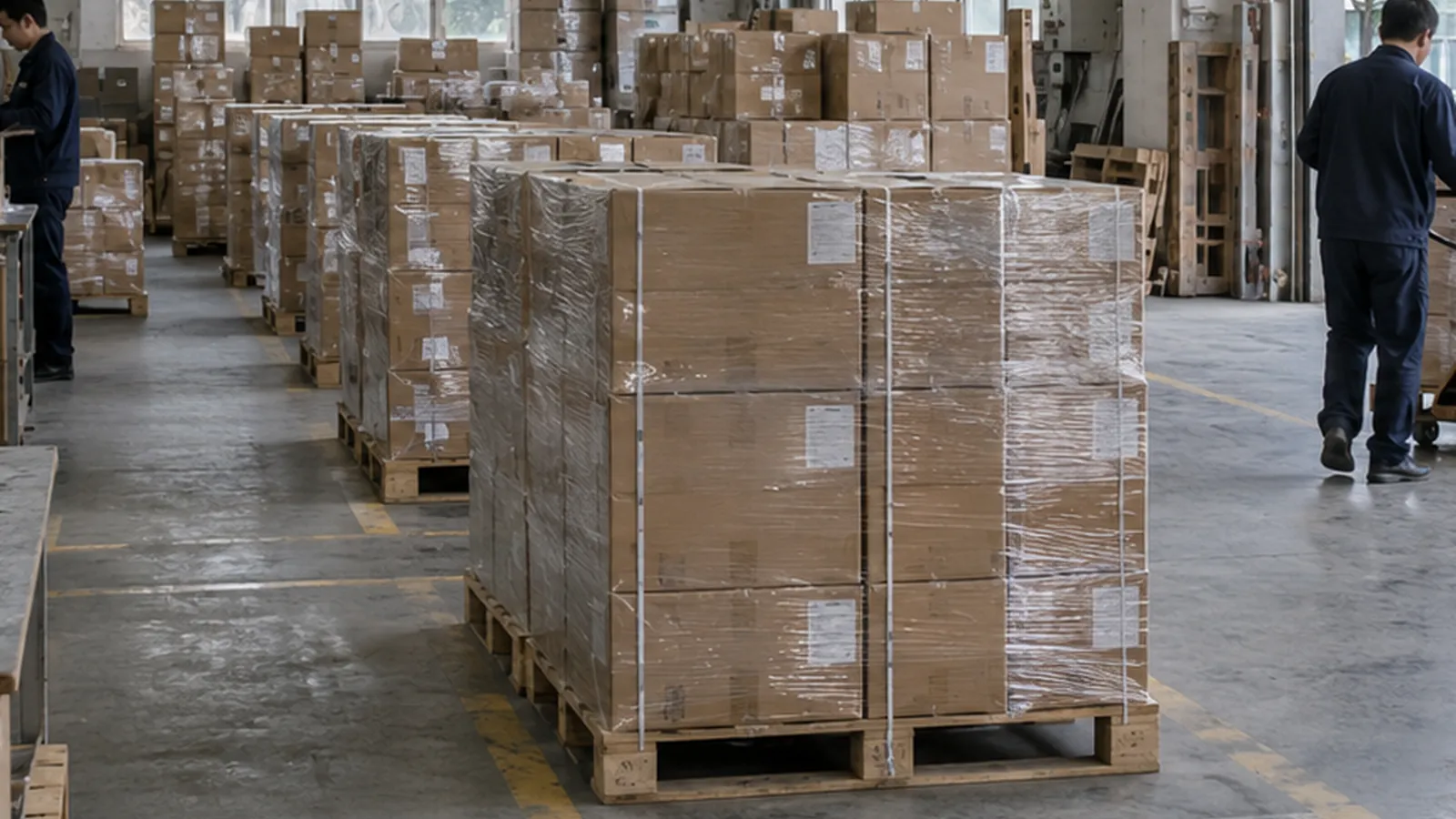
Choosing a consolidation warehouse in China means testing how it controls goods from several suppliers before combining them for export. Location and storage price matter, but they cannot compensate for missing identities, unresolved shortages or packing records that do not match the cargo.
Evaluate the warehouse using a representative multi-supplier flow. A demonstration of an empty receiving bay does not show how the operation handles a mixed shipment with a late factory and a disputed carton.
Define the inbound profile
Provide supplier locations, expected readiness, carton and pallet configuration, SKU count and product restrictions. State whether the warehouse will store stock, repack goods, inspect defined attributes or simply cross-dock accepted units.
Identify ownership and the commercial approval process. A consolidation operator should not assume it can substitute goods, dispose of damaged units or change a shipment’s importer information.
Check the proposed site against the supplier network and onward movement. A geographically convenient warehouse may still be unsuitable if collection access, product handling or receiving availability does not match the plan.
Review four operating controls
First, receiving must compare expected and actual goods at a useful level. Ask for records that link supplier, purchase-order line, SKU and carton identity.
Second, segregation must keep suppliers, owners and held goods distinguishable. Products can share space without losing those relationships, provided the physical and system controls are clear.
Third, repacking must preserve the relationship between original cartons and new shipping units. The GS1 Logistic Label Guideline provides one reference for logistics-unit identity; agreed internal identifiers still need the same traceable purpose.
Fourth, document preparation must reflect accepted cargo after changes. A final packing list copied from the suppliers’ original documents may be wrong after a shortage or repack.
Test exceptions with a small mock shipment
An illustrative trial includes three vendors, several SKUs and one carton deliberately missing from the expected list. Add one carton with an unreadable label and one product held for the buyer’s decision.
Observe whether receiving records the shortage, the unidentified carton stays visible and the held item remains excluded from release. Ask the team to produce the reconciled final packing list without relying on verbal instructions from the test organizer.
The trial is not a throughput benchmark. Its purpose is to see whether the control process works when the shipment is imperfect, which is when identity and authorization matter most.
Examine space and handling conditions
Check unloading arrangements, staging, storage configuration, repacking work positions and safe movement between them. Verify acceptance for oversized, sensitive or otherwise restricted products separately.
The US OSHA warehousing overview provides general hazard categories for such a review. It does not establish compliance with China facility requirements or certify the proposed site.
Ask where unresolved goods wait and whether ordinary dispatch can access that area. A hold that exists only in an email may fail when staff change or the warehouse becomes busy.
Compare charges against the tested workflow
Request separate pricing for receiving, counting, storage, handling, repacking, inspection scope, labels, documents and exceptional work. Include minimums, waiting charges and approved disposal or return-to-supplier arrangements.
A quoted consolidation fee may exclude the work revealed by the trial. Normalize the comparison using the same vendor count, stock duration and expected exceptions rather than comparing one flat number with another.
Finally, agree who can authorize departure, split a load or approve extra costs. The selected warehouse should be able to show where each supplier’s goods are, what remains unresolved and why the final cargo is ready. Those capabilities provide a stronger selection basis than floor area alone.
Sources and verification links
Operational rules can change. Check the linked primary sources and confirm shipment-specific requirements before booking.
- GS1 Logistic Label GuidelineGS1
- Warehousing overviewUS Occupational Safety and Health Administration