
Decide where the return should be assessed
Returning FBA inventory to China is not always the sensible first step. The decision depends on the stock's location, condition, value, transport eligibility, and the work needed. A local inspection may establish whether the units can be corrected, sold through a suitable channel, returned to origin, or disposed of appropriately.
Separate customer returns from Amazon removal orders and inbound receiving problems. They arrive with different records and may represent different conditions. A customer return cannot be assumed saleable merely because the packaging looks unopened, while an inbound label problem may involve otherwise unused goods.
Receive goods into a hold, not available inventory
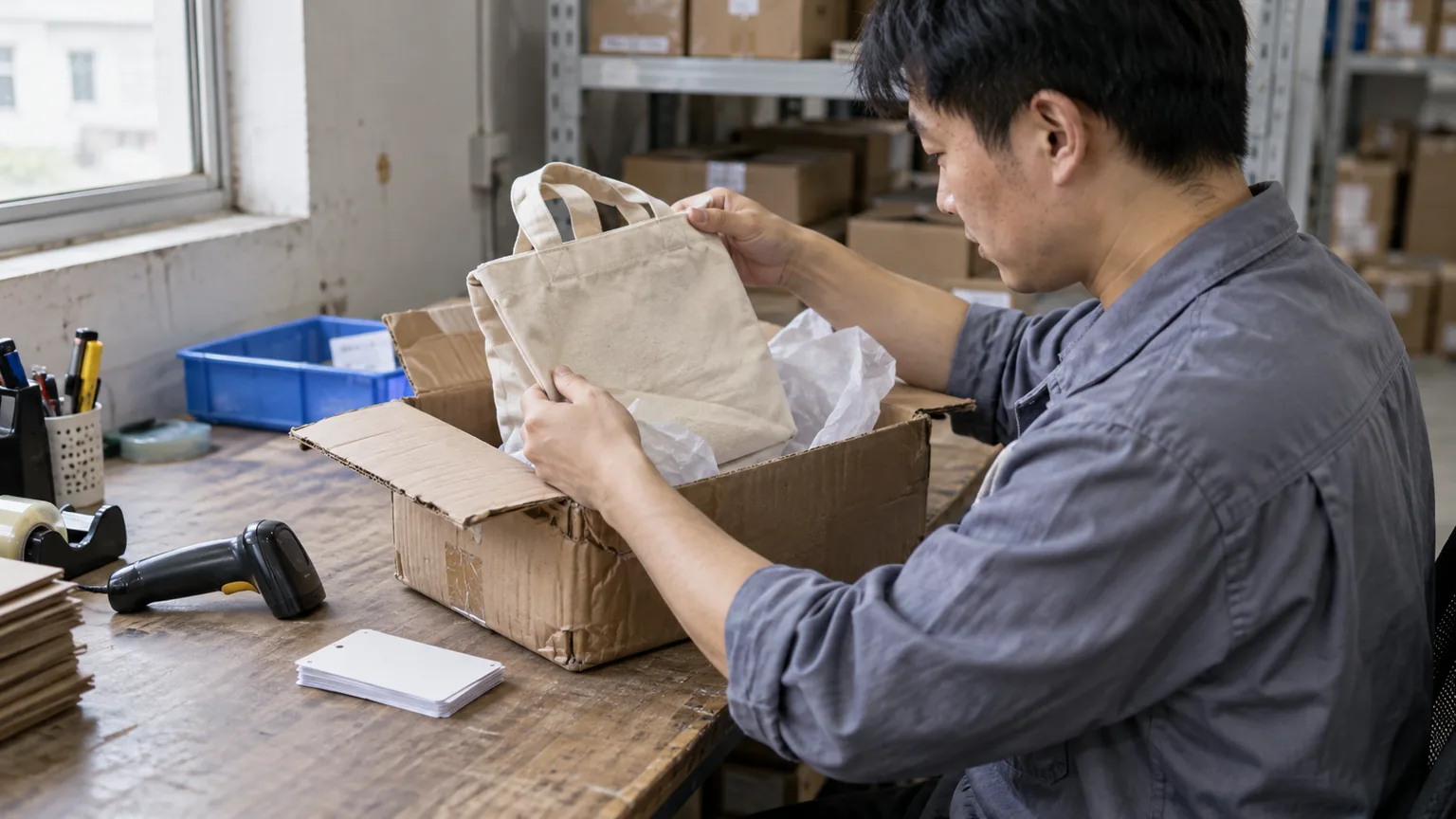
Count received units against the authorized removal or return record. Record SKU, identifiers, condition, missing parts, visible damage, and packaging state. Keep unknown or mixed goods separate until their identity is established.
Define the inspection scope and evidence before work starts. Some checks are visual; others require functional testing or specialist assessment. The receiving facility should not claim to validate safety or authenticity beyond what it can actually establish.
Link each disposition to the original product and batch where possible. Preserve photographs and relevant customer or Amazon reason codes, while treating those codes as information to investigate rather than definitive technical findings.
Relabel only after confirming identity and condition
A new barcode can correct an approved identity-label problem. It cannot make a different variant match the listing, restore missing compliance evidence, or turn used goods into new goods. Confirm the lawful and marketplace-appropriate condition before selecting the label.
Use the current barcode requirement and the correct account's file. Amazon's 2026 barcode announcement changes the old assumptions concerning commingling and eligibility. A label strategy from an earlier shipment should not be reused automatically.
Approve placement that preserves mandatory product information and separate authentication marks. Scan the completed unit and verify the decoded identity. Withdraw obsolete labels from the work area so a correction does not create a second error.
Compare local correction with return to origin
Obtain quotes for inspection, authorized rework, repacking, storage, and onward transport. Compare them with the expected recoverable value of the goods, using realistic sell-through and condition assumptions. Keep disposal and withdrawal fees visible as alternatives where relevant.
A return to China needs an appropriate export and reimport arrangement with supporting records. The original import does not automatically authorize duty-free movement in both directions. Ask qualified customs providers about the specific transaction and preserve evidence of the original goods and return reason.
Check transport safety again. Damaged batteries, leaking goods, and other affected products may not qualify for the original shipping route. Do not place them into an ordinary return carton and hope the carrier treats them as standard inventory.
Quote cost and turnaround by actual work
There is no reliable universal relabeling cost or fixed turnaround for every return. The quote should specify the number of units, inspection depth, label work, packaging changes, disposal handling, and freight. Unknown condition may require an initial assessment before a final work order can be priced.
Separate provider processing time from transport, customs, and receiving time. State which stage begins after goods and complete instructions are available. A promised completion date that assumes every returned unit passes inspection can fail as soon as the first discrepancy appears.
Amazon's FBA overview explains the broader fulfillment and returns model, while current account policies govern particular removal and reimbursement actions. Review those policies for the actual case instead of promising that every rejected or returned unit will be reimbursed.
Close the work with counts by disposition and a link to the evidence. Reconcile received, corrected, held, returned, and disposed quantities. Use recurring failures to update the original prep or product specification so the next batch needs less corrective handling.