
Test the finished package rather than the product name
Not every product containing a magnet is automatically regulated as Class 9 magnetized material. Air-transport assessment concerns the external magnetic field of the prepared package and the applicable rules for the route. A small magnet arrangement, a motor, and a carton of strong magnetic assemblies can produce different results.
For a shipment from China, identify the product and packing configuration before asking a qualified testing or dangerous-goods specialist for the applicable classification. The article's reference to Class 9 should not be read as an instruction to label every magnetic accessory that way. The classification decision comes first.
Establish what will actually be shipped
Record the model, number of units, magnet arrangement, and package dimensions. Include whether the package contains batteries, liquids, or other potentially regulated components. A magnetic-field result answers only the magnetic question, not the classification of everything else in the carton.
Photograph the approved internal arrangement and outer package, with enough detail to reproduce it. If a report was produced for one unit, do not assume it covers a larger consolidated carton. The field outside a package can change when the number and orientation of magnets change.
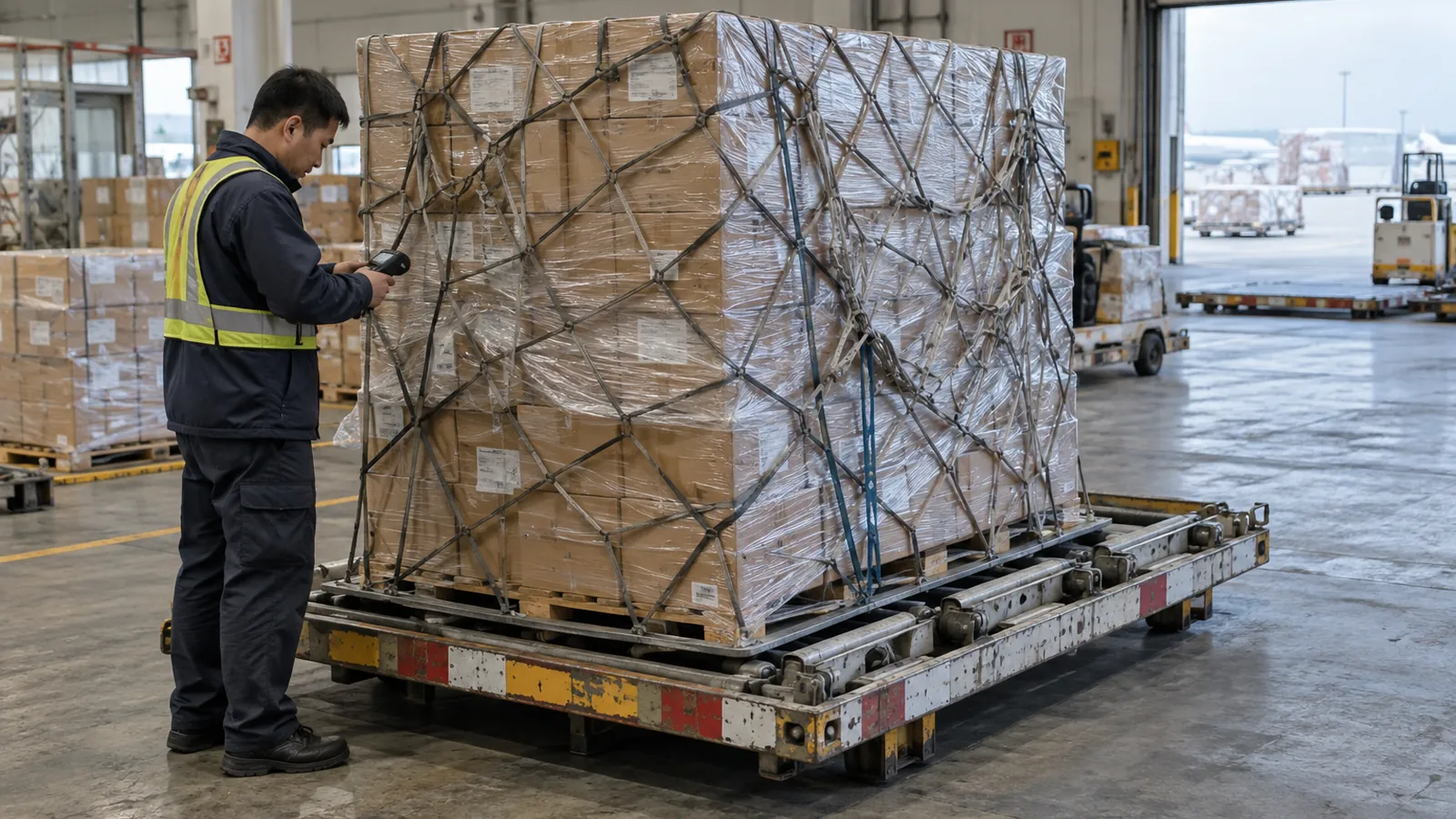
Identify whether cartons will later be placed into a larger handling unit or repacked by a consolidator. The responsible reviewer should assess the configuration that is offered for carriage, not an earlier configuration that no longer exists.
Use the correct rule and measurement method
The current US 49 CFR 173.21(d) prohibits aircraft carriage of a package exceeding 0.00525 gauss at 4.5 metres, or 15 feet, from any surface. International air transport also requires assessment under the applicable ICAO/IATA provisions and operator variations. These frameworks should not be collapsed into a single informal supplier test.
Ask the laboratory or reviewer to identify the standard, measurement distances, instrument, package configuration, and outcome in the report. A statement that a bare magnet is weak, or that it did not affect a phone, is not a transport assessment.
Check whether the report is accepted by the selected airline and forwarding chain. Some services require particular evidence or prior review. Obtain that confirmation before paying for a large packing run or committing to a customer dispatch date.
Control packaging changes through the reviewer
Shielding, spacing, and orientation can be part of a professionally designed package, but they need verification in the finished arrangement. A warehouse should not improvise changes based on an online suggestion and then reuse the original test result.
Once a configuration is approved, issue a versioned packing instruction. State which components and quantities are permitted and who may approve changes. Keep the reference photographs available at the packing station and inspect conformity before release.
A crushed carton, displaced internal protection, or replacement magnet can change the basis of the assessment. Hold affected packages until the appropriate reviewer determines whether they can be restored or need reassessment.
Keep transport evidence connected to the order
Link the report and approval to the product version, package identifier, shipment, and booking. Apply only the marks and documents required for the determined classification. Extra hazard labels added without a basis can create confusion just as missing required labels can.
Give the carrier accurate product information. Avoid booking a magnetic assembly as a generic plastic accessory to bypass review. If the service refuses the goods, obtain the reason and resolve it through a qualified process rather than changing the description.
For repeated orders, review the file when the product, carton quantity, packaging, operator, or route changes. The reusable asset is the controlled evidence for a specific configuration, not a blanket statement that a supplier's magnets can always fly.
Sources and verification links
Operational rules can change. Check the linked primary sources and confirm shipment-specific requirements before booking.
- 49 CFR 173.21 Forbidden materials and packageseCFR / US Department of Transportation