
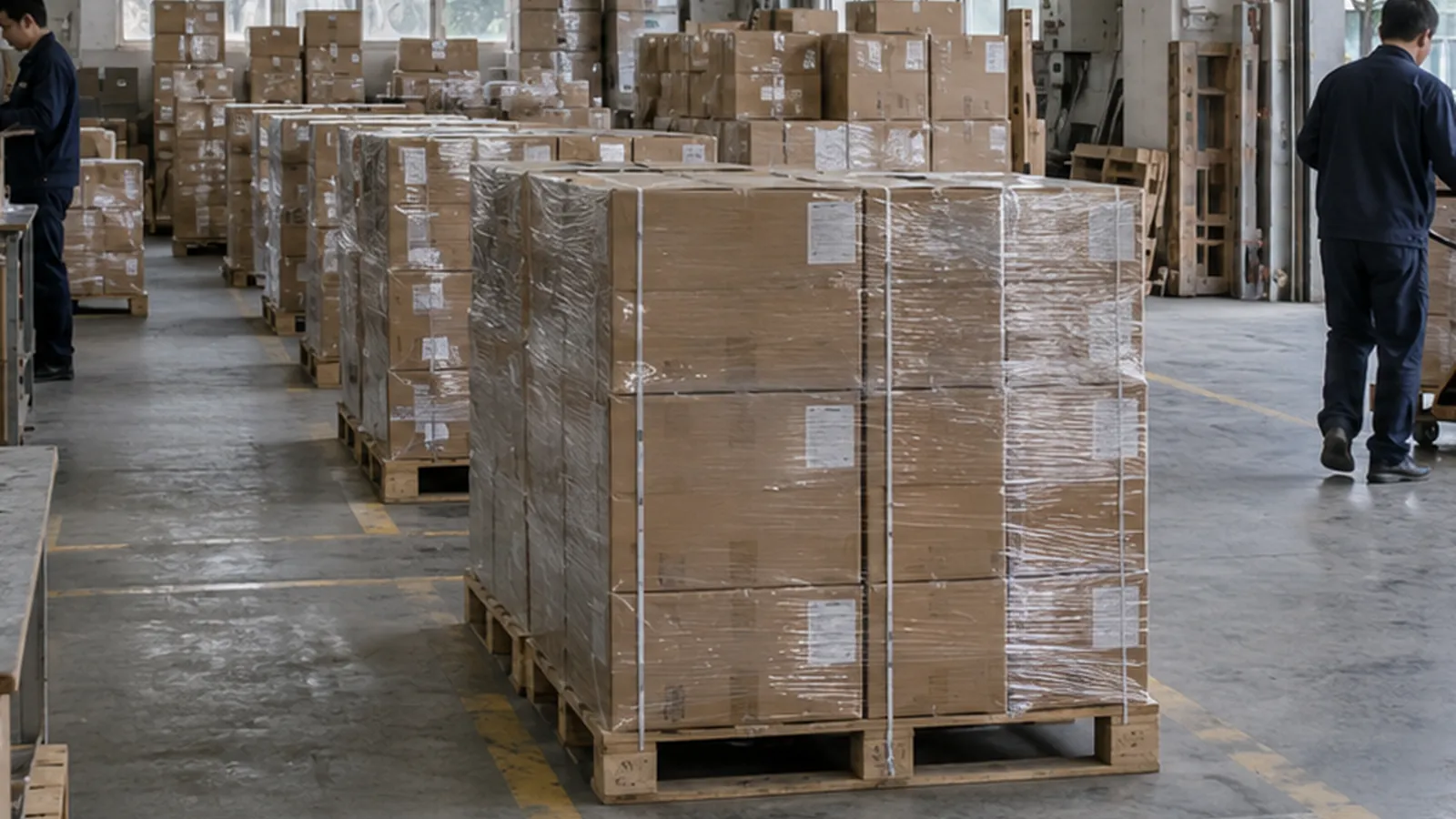
Supplier consolidation in China means receiving goods from multiple factories, identifying each purchase-order line, resolving discrepancies, and preparing an agreed combined export movement. The main benefit is control: the buyer gets one coordinated view of cargo readiness and one documented handoff plan. The main risk is combining goods before product identity, quantity, condition, documents, and commercial responsibility are clear.
Start with a Consolidation Control Sheet
Create one control sheet before suppliers dispatch. It should connect the commercial order to the physical goods and eventual export documents. Include:
- Supplier legal and contact details
- Purchase order and SKU references
- Product description, material, intended use, and country of origin
- Expected carton or crate count
- Expected gross and net weight and dimensions
- Planned ready date and delivery appointment
- Required labels, marks, packaging, and document set
- Agreed receiving check and inspection scope
- Incoterms rule, named place, and version in the sale contract
- Person authorized to approve discrepancies, repacking, or additional cost
Do not let the warehouse invent missing product descriptions or values from a short SKU code. U.S. Customs and Border Protection, for example, distinguishes precise descriptions from vague terms such as “accessories,” “general cargo,” or “online retailer goods.” Accurate descriptions also help identify whether different suppliers’ goods have incompatible storage, handling, or regulatory requirements.
Control Supplier Delivery Before Arrival
Give each supplier a delivery instruction that states the receiving location, appointment process, package identification, paperwork, and contact. Require the purchase order and supplier name on the delivery record. If cartons from two factories look alike, add a unique inbound reference that survives until export packing is complete.
Set an inbound cutoff based on the complete consolidation, not the first supplier’s ready date. A shipment should not be presented as ready while a required supplier, document, or buyer decision is still outstanding. Maintain separate statuses such as expected, arrived, counted, discrepancy pending, approved, and released for consolidation.
When a supplier misses the plan, the buyer needs a defined choice: hold the other goods, ship a partial lot, change mode, or move the full booking. Each option can affect freight, inventory, customs data, and commercial commitments. Record the decision instead of allowing an informal chat message to become the operating instruction.
Define What Receiving and Inspection Actually Mean
Receiving can include counting outer packages, checking visible damage, matching marks, recording weights or dimensions, and photographing agreed conditions. Product inspection can be much broader. It may involve quantity verification by SKU, visual workmanship checks, functional checks, sampling, or laboratory testing.
Write the exact scope and acceptance criteria. A carton count is not a product-quality inspection. A visual check is not proof of regulatory compliance. A warehouse should not be presented as a testing laboratory or certification body unless that service and qualification have been separately verified and contracted.
For every discrepancy, record the purchase order, affected SKU or package, evidence, quantity, proposed action, approver, and final disposition. Keep non-conforming goods physically or systemically separated until the buyer decides whether to return, repair, relabel, repack, or exclude them.
Use the Right Operating Site for the Cargo
FulfillNexa by SBT's three confirmed warehouses provide 24,000 m² in China. Shenzhen has 3,000 m² for large-cargo handling and multimodal coordination, Suzhou has 13,000 m² supporting East China consolidation and fulfillment, and Dongguan has 8,000 m² for ecommerce warehousing and single-order fulfillment. Identify the receiving site and onward handoff in the consolidation plan instead of assuming every supplier should send goods through the same location.
These are operating-site roles, not customer case studies or promises that every product, volume, or handling requirement will be accepted. Before dispatch, confirm the receiving location, available handling method, storage conditions, prohibited goods, and appointment requirements for the actual cargo. Splitting one project between sites should only occur when identification, inventory control, transport between sites, and document ownership are explicit.
Standardize Export Packing and Marks
After discrepancies are closed, create the approved consolidation plan. Decide whether supplier cartons remain intact, are overpacked, are placed on pallets, or are rebuilt into export cartons or crates. Confirm compatibility before mixing products. Food, chemicals, batteries, liquids, odor-sensitive goods, fragile equipment, and high-value items may require separate controls.
The final packing list must reflect the physical shipment after any repacking. Use consistent package numbering and record which supplier and SKU are inside each export package. Preserve traceability so a customs query, damage report, or destination receiving issue can be traced back to the relevant purchase-order line.
Labels and marks should match the selected carrier and destination requirements. Remove or cover superseded transport labels when appropriate, but do not remove legally required product, origin, safety, or compliance markings without qualified review.
Align Commercial and Customs Responsibilities
Incoterms rules help allocate selected obligations, costs, and risks between the seller and buyer. ICC states that they do not replace the sale contract and do not determine title, payment terms, tariffs, prohibitions, or every legal issue. In a multi-supplier consolidation, each purchase contract may use a different rule or named place. Document where each supplier’s delivery obligation ends and where the consolidator’s custody begins.
For the destination entry, identify the importer of record and broker before export. CBP advises U.S. importers to understand policies and procedures and to provide complete product information for classification and valuation. Other markets have their own authorities and product rules. A combined shipment can contain multiple classifications, origins, values, permits, or agency requirements; consolidation does not merge those facts into one generic commodity.
Supplier Consolidation Checklist
- Create a supplier, purchase-order, SKU, package, document, and date control sheet.
- Send written inbound instructions and unique references to every supplier.
- Confirm product restrictions and choose the correct receiving site before dispatch.
- Record arrival count, visible condition, marks, weight, and dimensions at the agreed level.
- Separate discrepancies and obtain written disposition from an authorized buyer contact.
- Complete only the inspection scope that was defined and report its limitations.
- Approve final packaging, package numbering, labels, and traceability after repacking.
- Reconcile every applicable commercial invoice and the consolidated packing list to the physical cargo.
- Confirm Incoterms, importer, broker, classification, value, origin, and required permits.
- Release the shipment only after the booking, documents, cargo, and approvals match.
What to Provide for a Consolidation Plan
Send the supplier list, purchase orders, SKU data, cargo-ready estimates, product details, expected packages, destination, chosen transport mode, receiving and inspection scope, labeling instructions, importer details, and decision contacts. Identify any goods that cannot be stacked, mixed, opened, or repacked.
Supplier consolidation succeeds when it preserves item-level truth while creating one coordinated shipment. The goal is not merely fewer bookings; it is a controlled record from each factory handoff through export release.
Sources and verification links
Operational rules can change. Check the linked primary sources and confirm shipment-specific requirements before booking.
- ICC Incoterms and commercial contractsOfficial source
- CBP Tips for New Importers and ExportersOfficial source
- CBP acceptable cargo descriptionsOfficial source
- FulfillNexa current warehouse scopeFulfillNexa by SBT