
Toy fulfillment from China should preserve the connection between the exact toy variant, its intended age group and the approved safety evidence. A barcode match is not enough if the unit contains different components or packaging from the product that was assessed.
Set product acceptance with the responsible manufacturer, importer and compliance specialists before goods become saleable. The warehouse can check defined physical attributes and records, but it cannot create missing safety evidence by adding a label.
Determine the intended market and age scope
Record the toy’s intended use, target audience, materials, components and destination. Treat age grading as a product decision supported by the relevant assessment, not an arbitrary text field for avoiding a requirement.
For a US example, CPSC toy guidance distinguishes the toy standard’s under-14 scope from children’s-product testing and certification requirements for products primarily intended for ages twelve and younger. Applicable requirements and standard versions must be checked for the actual product and manufacturing date.
Do not generalize that US example to EU, UK or other markets. Similarly, adding a “13+” label does not by itself establish the product’s correct classification.
Build a variant-level compliance matrix
Connect each warehouse SKU to its approved model, age presentation, materials, accessory set, packaging version and evidence references. Include the manufacturer and responsible certifying party without publishing unrelated private staff information.
Different paints, plastics, batteries or included accessories may affect the assessment. An approved report for one model should not be copied to a visually similar variant without the responsible technical decision.
CPSC’s online seller safety guidance explains certification responsibilities. A certificate and its supporting test evidence have distinct roles; a warehouse receipt does not replace either.
Verify the product at receipt
Check identity, quantity, accessible batch information and packaging against the approved record. Record missing warnings, damaged retail packs, loose components or differences in the included set as exceptions.
An illustrative shipment contains a standard toy kit and a similar kit with a small magnetic accessory. They should not be merged under one warehouse identity simply because their outer boxes share most of the artwork. The changed component requires the appropriate product review.
Keep unresolved stock unavailable. A commercial launch date is not a reason to release a variant whose evidence no longer matches the physical item.
Control preparation and repacking
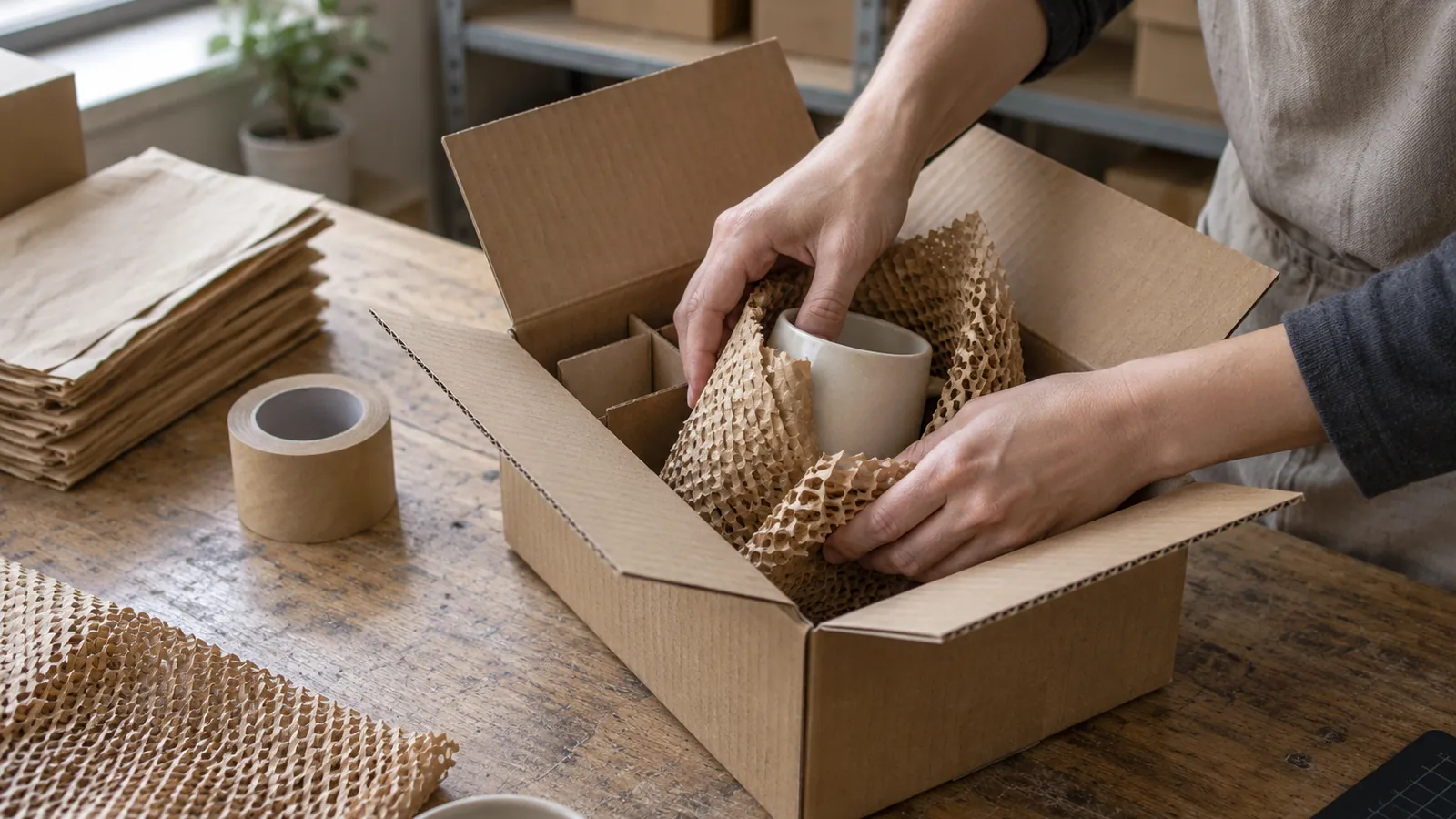
Approve the unit pack, bundle arrangement and any additional transit protection. Repacking must preserve required information and the product’s intended presentation.
Do not detach warnings or separate components in a way that changes the approved selling unit without authorization. If a marketplace requires a label, check its placement against the product and existing required information.
Operators need a visible distinction between permitted warehouse work and prohibited improvisation. Replacing a transit carton is different from altering a toy, changing an age statement or substituting an accessory.
Keep traceability through shipping and returns
Retain the link from order and parcel to the relevant SKU and production population. Where a safety issue arises, the business should be able to identify affected inventory and shipments without guessing from a broad product name.
Returned toys require an approved condition and safety assessment before resale. Missing parts, opened packaging or an uncertain history may change the available disposition. Do not automatically return a unit to new stock because its main component appears intact.
The release file should identify the accepted variant, current evidence, approved packaging and unresolved exceptions. A controlled toy workflow is valuable because it makes those relationships visible at each handoff, while keeping safety and legal decisions with the parties qualified and responsible to make them.
Sources and verification links
Operational rules can change. Check the linked primary sources and confirm shipment-specific requirements before booking.
- Toy Safety Business GuidanceUS Consumer Product Safety Commission
- Online Sellers’ Safety GuideUS Consumer Product Safety Commission