
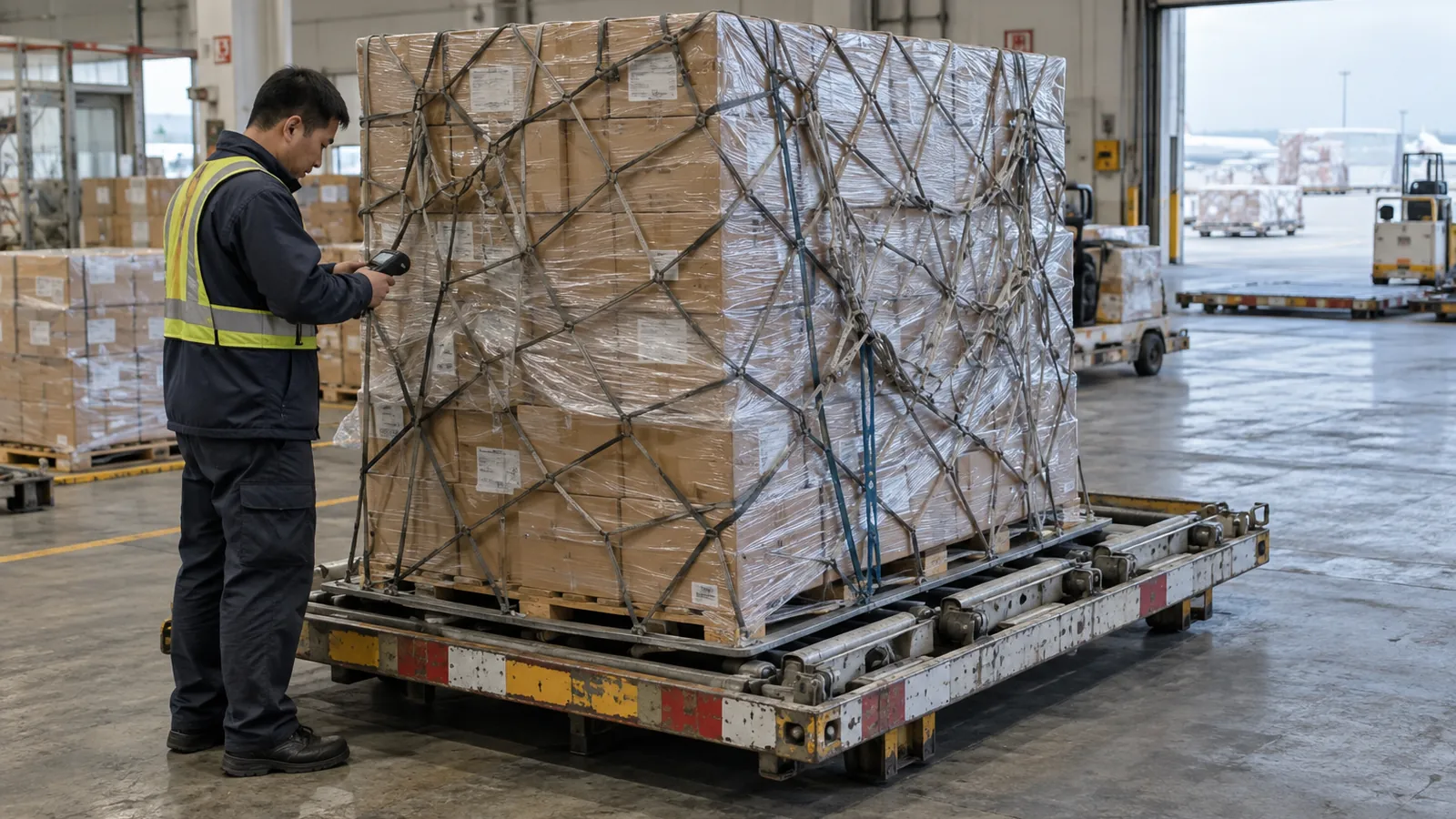
Shipping trade-show samples from China requires a decision about what will happen to the goods after the event. Samples intended for return, goods sold at the show and giveaway items can need different customs and transport arrangements.
Choose that treatment before booking an express service. A fast transport quotation cannot resolve an unsuitable temporary-admission plan or a venue that will not receive the package when it arrives.
Create a sample register
Identify every item, its quantity, description, value, serial reference where relevant and intended post-show outcome. Distinguish reusable demonstration equipment from consumables, promotional giveaways and stock intended for sale.
Record restrictions such as batteries, liquids, magnets, fragile components or oversized dimensions. Product acceptance needs to be confirmed with the actual transport and destination parties; calling something a sample does not remove those constraints.
Keep photographs and identifying details sufficient to recognize goods that must later return. The register should describe the physical items, not only a booth’s marketing names.
Give the document custodian the approved register and access to required originals; do not leave essential border paperwork inaccessible inside a sealed crate.
Assess ordinary import or temporary admission
The ICC’s ATA Carnet guidance describes a document used for eligible temporary imports and exports. Confirm the goods, purpose, destination and border process with the issuing and customs parties before relying on it.
A carnet is not permission to sell or consume every listed item. Goods that may be given away, altered or left behind need separate review and an appropriate documented outcome.
Check the required document format and procedures for all relevant border points. Paper and digital arrangements should be verified for the actual journey rather than assumed from a general statement about digital customs.
Compare express and freight by the entire handoff
For small accepted packages, an express service may offer a convenient end-to-end parcel route. Larger or specially handled samples may need a freight arrangement with separate collection, clearance and venue delivery.
Compare the quoted origin-to-venue scope. Include packing, collection, declaration work, destination charges and any event-specific delivery service. An airport arrival is not the same as a package reaching the booth.
Request current approximate timing and acceptance conditions for the actual cargo. Do not convert a carrier’s indicative transit into a guaranteed date for customs release or venue access.
Work backward from a verified receiving appointment
Obtain the venue’s receiving instructions, delivery windows, package identification rules and contact route. Confirm who can sign for the goods and where they can be held before installation.
For an illustrative plan, the event opens on day zero, booth handover is targeted for day minus three, and the buyer chooses an earlier customs-release target. The booking must then account for the confirmed transport range and a separately chosen contingency. These are internal milestones, not published customs or carrier service times.
Use the event organizer’s current guidance. The Canton Fair Buyer Guide, for example, is an official attendance-information source; each exhibition’s receiving and logistics arrangements still need their own verification.
Prepare the return or final disposition before departure
For reusable samples, establish who retains the documents, records export and re-entry events and confirms completion of the temporary-admission process. A parcel leaving the venue does not automatically close every customs obligation.
If an item is damaged, sold or left behind, obtain the required commercial and customs decision rather than quietly removing it from the sample list. Keep the evidence of the approved outcome.
Close the sample register against returned, consumed or otherwise authorized items after the show. That reconciliation prevents a successful booth delivery from leaving an unresolved customs or inventory problem after the event has ended.
Sources and verification links
Operational rules can change. Check the linked primary sources and confirm shipment-specific requirements before booking.
- ATA CarnetInternational Chamber of Commerce
- Canton Fair Buyer GuideChina Import and Export Fair